How Much Does It Cost to Build a Running Track? A Complete Cost Guide
- Share
- publisher
- Donna
- Issue Time
- Oct 12,2026
Summary
How much does it cost to build a running track? Explore 400m track construction costs, surface materials, installation, drainage, site preparation, and World Athletics certification requirements. Learn how to plan your budget and choose a cost-effective running track solution with NovoTrack.
Building a running track is a significant investment for schools, universities, sports clubs, municipalities, and professional stadiums. Before starting a project, one of the most common questions is: How much does it cost to build a running track?
The answer depends on several factors, including track dimensions, the number of lanes, running track surface materials, site conditions, drainage requirements, installation costs, and performance standards.
A small school running track may require a relatively modest budget, while a new 400-meter athletics track designed for international competition can involve substantial civil engineering and surfacing costs.
In this guide, NovoTrack explains the main components of running track construction costs, compares common surface options, and outlines how project owners can plan their budgets more effectively.
1. How Much Does It Cost to Build a Running Track?
The cost of building a running track varies considerably by country, project scope, and technical specifications. For preliminary planning, the following ranges can serve as broad reference points for projects in markets such as the United States. They are not fixed quotations and should not be applied directly to every country.
These figures are broad budgeting estimates, not verified prices for identical specifications. Actual bids can fall outside these ranges. Published US construction estimates, for example, show substantial variation between new construction and renovation projects.
The total budget may include earthwork, drainage, foundation construction, running track materials, installation, line marking, and other site improvements. Stadium lighting, spectator seating, fencing, and field-event facilities may require separate allowances.
Important: Always confirm whether a quoted price covers the running track surface only, the complete track system, or the entire sports facility. These are three very different scopes of work.
2. What Factors Affect Running Track Construction Costs?
Understanding the main cost drivers helps project owners compare quotations accurately and avoid unexpected expenses.
2.1 Track Size and Number of Lanes
Track dimensions directly affect material quantities, installation labor, and the amount of foundation work required.
A smaller school training track generally costs less than a standard 400-meter athletics track. Increasing the number of lanes also increases the surfacing area and may affect the overall site layout.
For a typical 400-meter, eight-lane athletics track, the actual surfaced area depends on the design, lane geometry, run-off areas, and additional event facilities.
Before requesting a quotation, prepare the track layout and confirm the required dimensions, lane count, and event areas.
2.2 Running Track Surface Materials
The choice of running track surface is one of the most important decisions in the project budget.
Common options include:
Polyurethane (PU) running tracks: Widely used for school athletics and competitive sports facilities. Different spray-coated, sandwich, and full-pour systems offer different performance characteristics and costs.
Prefabricated rubber running tracks: Manufactured in factory-controlled conditions and installed on a properly prepared base. These systems can offer consistent surface properties and efficient installation, depending on the product and site requirements.
EPDM rubber systems: Often used for recreational running paths, school activity areas, and other sports surfaces. Suitability depends on the specific system design and intended use.
These systems are not automatically interchangeable. Their performance, installation requirements, maintenance needs, and eligibility for competition certification must be evaluated individually.
When comparing prices, examine the complete system specification rather than choosing a surface based on its material name alone.
2.3 Site Preparation and Foundation
A running track requires a suitable foundation to support the surface and provide stable, consistent performance.
Site preparation may include:
Earthwork and grading
Soil assessment and ground improvement
Sub-base construction
Asphalt or other specified base construction
Drainage and water management
Edge restraints and perimeter details
Existing site conditions can significantly affect the budget. A relatively level site with a suitable foundation may require less preparatory work than undeveloped land with poor soil conditions or inadequate drainage.
For renovation projects, the existing base must be inspected before deciding whether it can be reused.
2.3 Installation Labor and Project Location
Labor costs, contractor experience, equipment availability, and local construction regulations vary by country.
International projects may also involve freight, import duties, customs clearance, inland transportation, accommodation for installation teams, and local subcontracting.
For this reason, a surface price quoted for one country should not be treated as a reliable estimate for a project elsewhere.
3. The Process of Obtaining World Athletics Certification
(1) Inspection by Officials
· After line marking is complete, an official inspection is conducted to verify dimensions, alignment, and compliance with World Athletics standards.
· Certified tools and methods are used to measure distances, angles, and lane widths.
(2) Certification Approval
· World Athletics issues a certification if the track meets all required specifications.
· Certification ensures the track is eligible for hosting local, national, and international competitions, including World Athletics-approved events.
4. Challenges and Solutions
(1) Precision Requirements
· Even minor inaccuracies in line marking can lead to disqualification of the track for competition use.
Solution: Employ experienced professionals and high-precision tools to achieve flawless results.
(2) Durability of Markings
· Heavy usage and environmental factors may cause markings to fade over time.
Solution: Use high-quality, UV-resistant paints and conduct regular maintenance.
5. Why Choose NovoTrack for Line Marking and World Athletics Certification?
(1) Expertise in Precision Marking
NovoTrack employs advanced tools and highly skilled professionals to ensure all line markings meet international standards.
(2) End-to-End Support
From initial layout to World Athletics certification, NovoTrack offers comprehensive support to ensure a seamless process.
(3) Proven Track Record
With experience in delivering certified tracks for international events, NovoTrack guarantees results that align with global requirements.
Conclusion
Line marking and World Athletics certification are not just finishing touches—they are the defining elements that transform a running track into a certified athletics facility. By ensuring accuracy and compliance, NovoTrack provides the confidence and assurance that your track will meet the highest standards, ready to inspire athletes and host world-class events.
Related Products

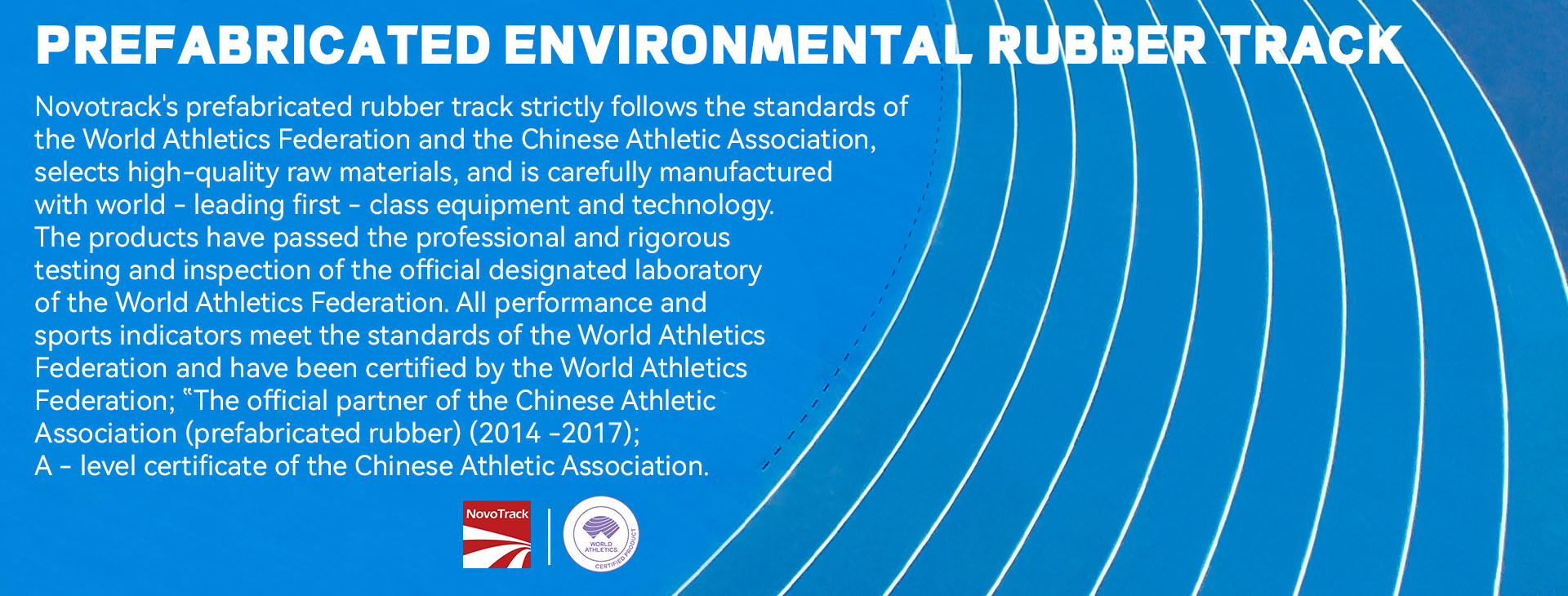
NovoTrack's prefabricated rubber running track strictly follows the standards of the World Athletics.
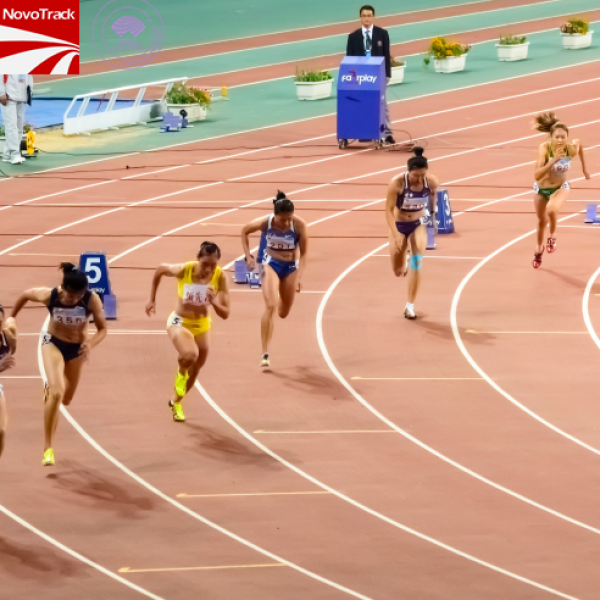
Prefabricated rubber running track flooring is a sports surface paving material specially designed for track and field sports. It's made of natural rubber and synthetic rubber.

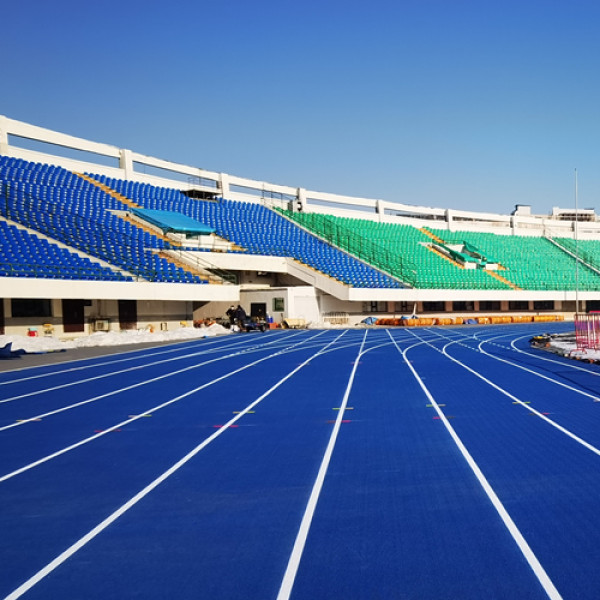
WA rubber running track and field surface, tartan athletics track for stadium,Prefabricated Rubber Running Track.